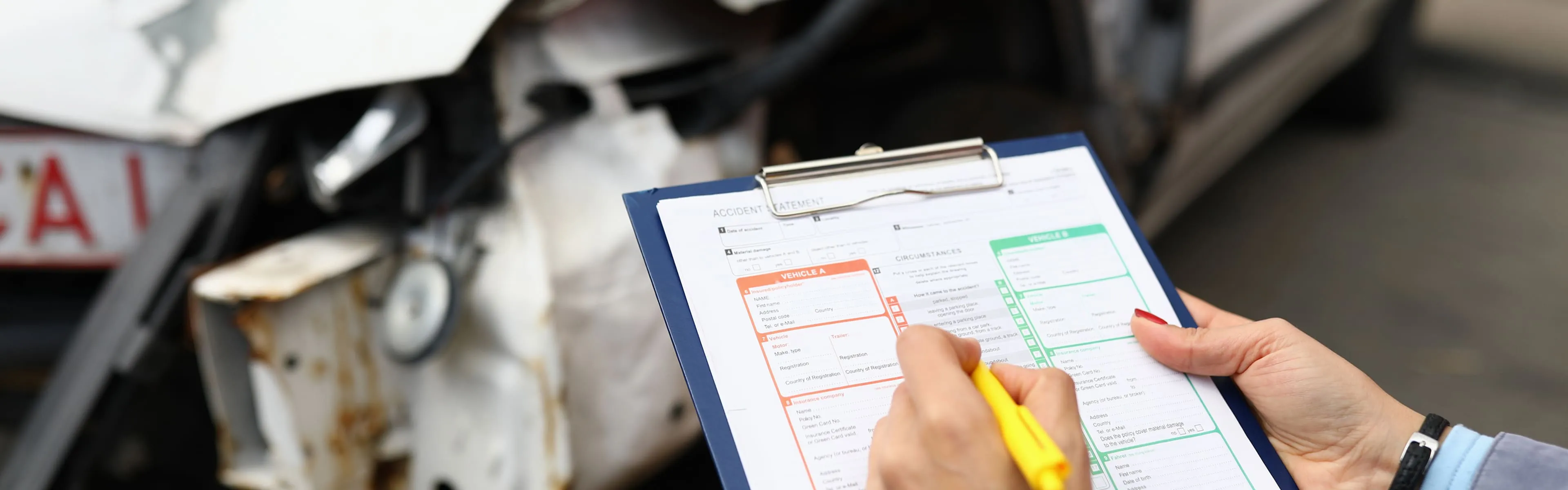
Disaster & Storm-Related Damage

Disaster & Storm-Related Damage
Clear, Standards-Based Evaluation of Secondary Damage
Natural disasters frequently lead to complex restoration challenges.
Richard provides an objective, technically grounded review of storm-related
damage, assessing whether response actions, drying, and remediation
were handled correctly. His evaluations help attorneys understand
how secondary issues developed and whether contractor performance
contributed to the extent of the damage.
What Richard evaluates

Workmanship & Methods
Identifies improper techniques, shortcuts, or incomplete work that can lead to secondary damage or ongoing issues.

Standards & Safety
Assesses whether actions, containment, and safety measures followed IICRC standards and accepted restoration practice.

Scope & Decisions
Reviews scopes of work and key choices to see if they matched site conditions, project needs, and recognized best practices.

Documentation & Records
Examines reports, photos, logs, and communication to uncover gaps or inconsistencies that may affect liability.


How this supports your case
Richard’s evaluations reveal how wind, water, flooding, or delayed response contributed to a property’s condition — and whether contractor actions worsened or mitigated the damage. His analysis establishes clear causal relationships, aligns findings with industry standards, and strengthens legal strategy. All conclusions are unbiased, defensible, and rooted in recognized restoration science, giving attorneys a solid technical foundation for their case.
Questions attorneys often ask
Yes. Richard provides unbiased, standards-based evaluations for both sides of a case and offers candid assessments regardless of position.
Richard focuses on restoration and remediation disputes, including water damage failures, mold contamination, documentation errors, contractor performance issues, and storm-related losses.
Typically: project records, photos, estimates, drying logs, inspection reports, lab results (if applicable), and any correspondence related to the loss. Additional materials may be requested depending on the case.
Most reviews can begin within a few business days, depending on workload and case complexity. Rush reviews may be available upon request.
Yes. Richard prepares clear, defensible written findings and can provide deposition or trial testimony when required.
Yes. Richard provides honest feedback early in the process, helping attorneys understand whether the technical facts support pursuing or defending a claim.
Onsite evaluations are available when necessary to corroborate documentation or assess conditions that cannot be verified remotely.
Fees vary based on the scope of work, timeline, and whether travel or testimony is required. A detailed rate sheet can be provided upon request.
Each opinion is grounded in recognized industry standards, technical documentation, and decades of real-world restoration experience, ensuring every conclusion is supported by evidence.
Start by scheduling a consultation to discuss the case, objectives, and available documentation. Richard will outline the next steps and timeline for review.
Yes. Richard provides unbiased, standards-based evaluations for both sides of a case and offers candid assessments regardless of position.
Richard focuses on restoration and remediation disputes, including water damage failures, mold contamination, documentation errors, contractor performance issues, and storm-related losses.
Typically: project records, photos, estimates, drying logs, inspection reports, lab results (if applicable), and any correspondence related to the loss. Additional materials may be requested depending on the case.
Most reviews can begin within a few business days, depending on workload and case complexity. Rush reviews may be available upon request.
Yes. Richard prepares clear, defensible written findings and can provide deposition or trial testimony when required.
Yes. Richard provides honest feedback early in the process, helping attorneys understand whether the technical facts support pursuing or defending a claim.
Onsite evaluations are available when necessary to corroborate documentation or assess conditions that cannot be verified remotely.
Fees vary based on the scope of work, timeline, and whether travel or testimony is required. A detailed rate sheet can be provided upon request.
Each opinion is grounded in recognized industry standards, technical documentation, and decades of real-world restoration experience, ensuring every conclusion is supported by evidence.
Start by scheduling a consultation to discuss the case, objectives, and available documentation. Richard will outline the next steps and timeline for review.